
A CNC lathe can generate oil mist during turning, boring, drilling, threading, or other operations that use coolant or cutting oil. Selecting a collector is not simply a matter of choosing the largest airflow number. The process, fluid, enclosure, capture path, installation space, and maintenance access should be reviewed together.
This guide explains what to prepare before asking TINME for a CNC lathe oil mist collector recommendation.
1. Start with the turning process
Share the CNC lathe make and model, the operations performed, the coolant or cutting oil used, and typical daily operating hours. Photos or a short video of the machine enclosure can also help show where mist may escape.
[ENGINEERING CONFIRMATION REQUIRED] Different turning processes and fluids can create different forms and amounts of mist. TINME engineering must confirm the final approach for the actual machine and process.
2. Review the enclosure and capture point
The collector needs a practical connection point that draws air from the enclosure while allowing normal loading, inspection, and maintenance. Note any existing opening, duct connection, or space limitation around the machine.
[ENGINEERING CONFIRMATION REQUIRED] The final inlet location, duct route, and installation layout must be checked for each CNC lathe.
3. Treat airflow and ducting as one system
Airflow is important, but it is only one selection input. The enclosure size, openings, duct routing, process conditions, and operating pattern also affect the final recommendation. A higher airflow figure is not automatically the right answer.
[ENGINEERING CONFIRMATION REQUIRED] TINME must confirm the proposed model and final airflow using current approved product information and real site conditions.
4. Plan the installation before ordering
Check where the unit could be mounted and whether there is space for ducting, drainage, electrical connection, and routine service. A clear installation plan helps avoid last-minute changes after the equipment arrives.
[ENGINEERING CONFIRMATION REQUIRED] Mounting method, drainage arrangement, electrical requirements, service intervals, and site-safety conditions must be confirmed before installation.
5. Select options after a technical review
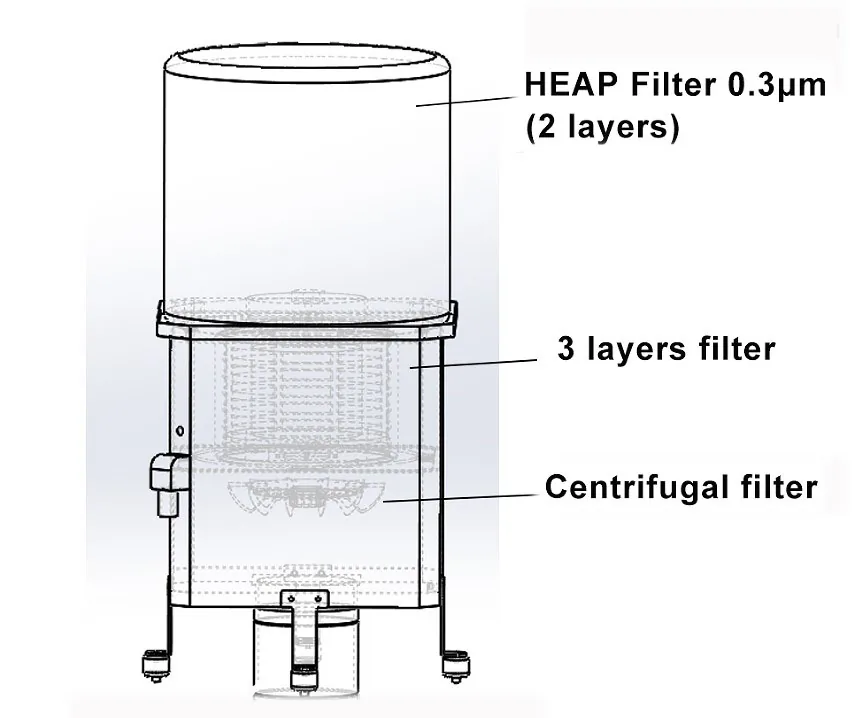
Some CNC lathe applications may need additional filtration or monitoring options. Choose these only after the machine, fluid, operating conditions, and site requirements are reviewed.
[ENGINEERING CONFIRMATION REQUIRED] Confirm filter stages, optional HEPA, monitoring functions, performance figures, certificates, and maintenance requirements in current TINME technical documentation before making any customer-facing claim.
What to send TINME
- CNC lathe make and model
- Photos or video of the enclosure and available installation space
- Process type and coolant or cutting oil
- Typical operating hours
- Any visible mist, smoke, odor, or residue
- Existing ducting, power, and site requirements
With this information, TINME can review suitable options for your CNC lathe. You can also read about oil mist collector applications, how to choose an oil mist collector for CNC machines, and how to compare TINME CNC oil mist collector models.
Frequently asked questions
Can I select a CNC lathe oil mist collector from the machine model alone?
Not yet. The machine model is a useful starting point, but the process, fluid, enclosure, and installation details also need review. [ENGINEERING CONFIRMATION REQUIRED]
Is the highest airflow always the best choice for a CNC lathe?
No. The final selection depends on the complete system, not one number. [ENGINEERING CONFIRMATION REQUIRED]
Can one collector serve more than one lathe?
It may be possible, but it requires a site-specific engineering review. [ENGINEERING CONFIRMATION REQUIRED]
Request a CNC Lathe Mist Collection Review
Send TINME your machine details and photos. We will help you review suitable oil mist collector options for your CNC lathe.
Request a CNC Lathe Mist Collection Review
Discuss Your CNC Oil Mist Application
Send the machine type, enclosure size, coolant, operating conditions and available power supply for model-selection support.
Request Application Advice